What's on these pages
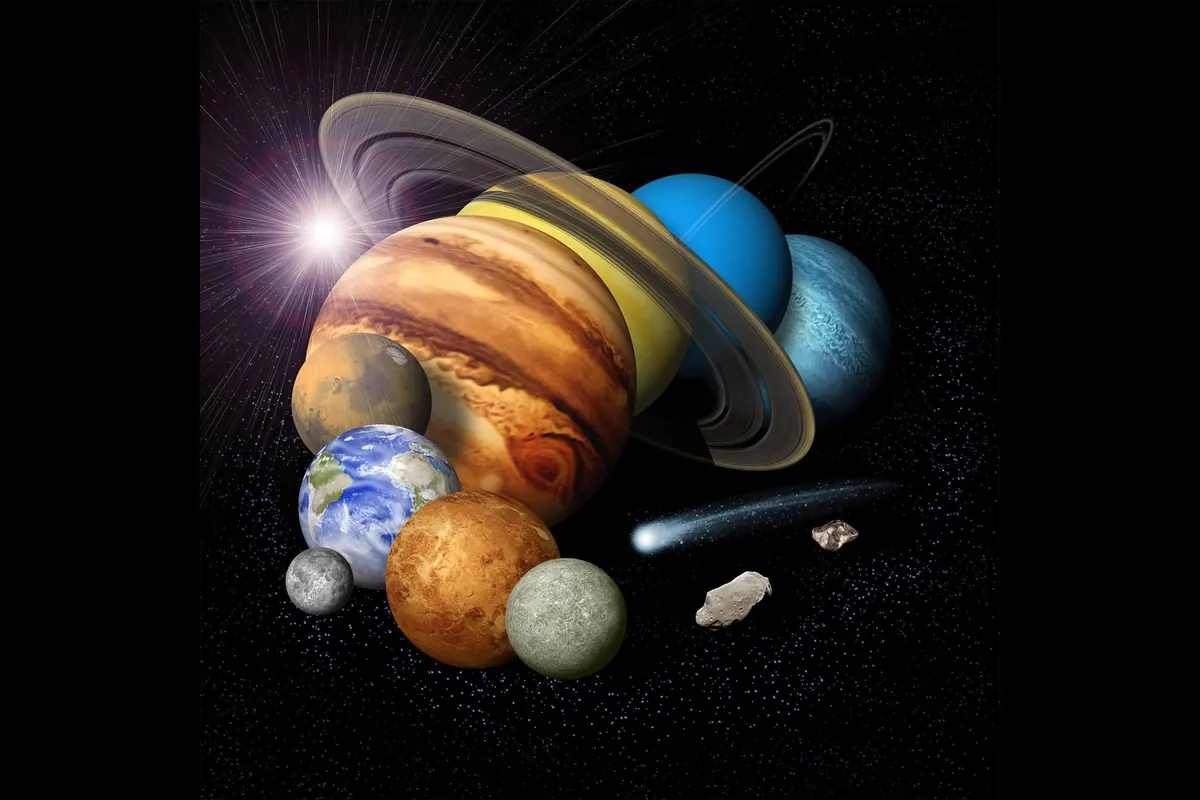
The solar system section covers the eight planets and Pluto, one page each, plus a set of question pages that line the worlds up on a single measure: how long a day lasts, how hard gravity pulls, how hot or cold it gets and so on. The numbers come from NASA's planetary fact sheet and from the Jet Propulsion Laboratory's lists of moons, and the sources box on each page says where its figures came from.
The count nobody agrees on
Planets are easy to count. Moons aren't. JPL's list gives 461 moons for the planets and Pluto, and Saturn alone holds 293 of them. Of the 460 moons with a recorded discovery year, 392 were found in 2000 or later, and the first, found by Galileo, goes back to 1610. That's why moon totals on other sites differ: new small moons are confirmed every year, and some lists wait for an official name. The moon discoveries by year page shows how the count has grown.
Where to start
If you have one planet in mind, start with Mars, Jupiter or Saturn. If you have a question, planet sizes compared and why Pluto isn't a planet are good places to begin. The table below puts all the planets on one page, and the shrunk-to-a-street solar system scale model shows how empty the space between them is.
When sources disagree
The NASA planetary fact sheet was last updated on 18 March 2025, and we read it on October 19, 2026. The NASA planet pages sometimes round differently, so a figure can differ slightly between them. Treat small gaps as rounding, not errors, and check the sources box on a page if you need the exact figure.
The planets at a glance
| World | Kind | Diameter (km) | Year | One rotation | Average temperature | Moons |
|---|---|---|---|---|---|---|
| Mercury | Rocky planet | 4,879 | 88 days | 58.6 Earth days | 167 C | 0 |
| Venus | Rocky planet | 12,104 | 225 days | 243.0 Earth days | 464 C | 0 |
| Earth | Rocky planet | 12,756 | 365 days | 23.9 hours | 15 C | 1 |
| Mars | Rocky planet | 6,792 | 1.9 years | 24.6 hours | -65 C | 2 |
| Jupiter | Gas giant | 142,984 | 11.9 years | 9.9 hours | -110 C | 115 |
| Saturn | Gas giant | 120,536 | 29.4 years | 10.7 hours | -140 C | 293 |
| Uranus | Ice giant | 51,118 | 83.7 years | 17.2 hours | -195 C | 29 |
| Neptune | Ice giant | 49,528 | 163.7 years | 16.1 hours | -200 C | 16 |
| Pluto | Dwarf planet | 2,376 | 247.9 years | 6.4 Earth days | -225 C | 5 |
Facts from the NASA Planetary Fact Sheet, read October 19, 2026. Moon counts from the JPL list read October 19, 2026. Pluto is a dwarf planet.
Pick a world
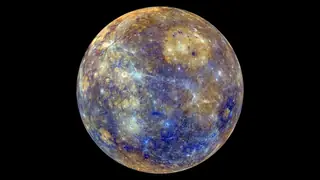 MercuryRocky planet, 0.39 AU from the Sun.
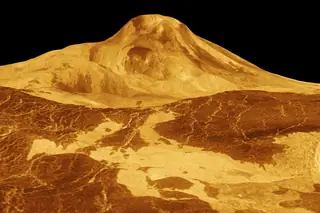 VenusRocky planet, 0.72 AU from the Sun.
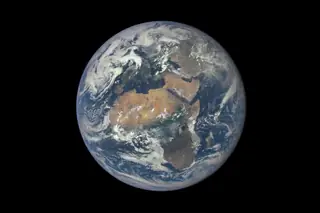 EarthRocky planet, 1.00 AU from the Sun.
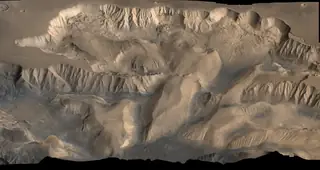 MarsRocky planet, 1.52 AU from the Sun.
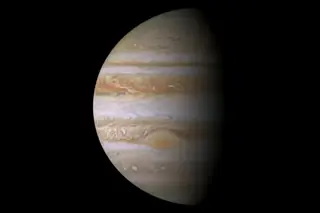 JupiterGas giant, 5.20 AU from the Sun.
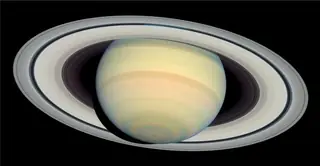 SaturnGas giant, 9.57 AU from the Sun.
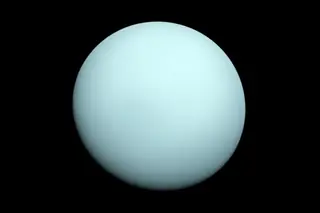 UranusIce giant, 19.16 AU from the Sun.
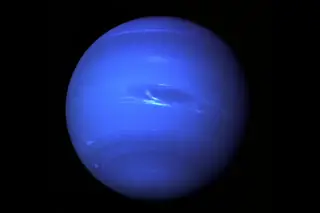 NeptuneIce giant, 30.18 AU from the Sun.
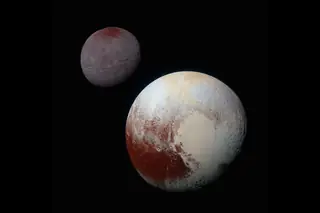 PlutoDwarf planet, 39.48 AU from the Sun.
Pick a question
Each question page puts all the planets side by side, so you can see the pattern and not just the single number.
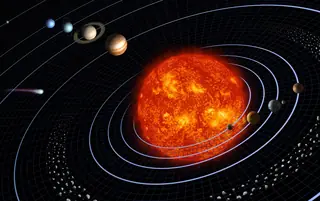 What's the order of the planets?Planets in order from the Sun, with distance and size.
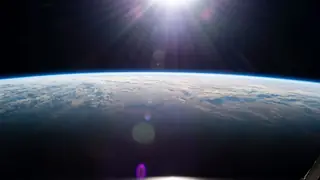 How long is a day on each planet?Day length on every planet, and why a day isn't always one spin.
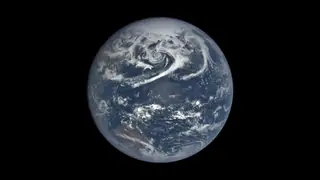 How long is a year on each planet?Orbit time for every planet, in Earth days and years.
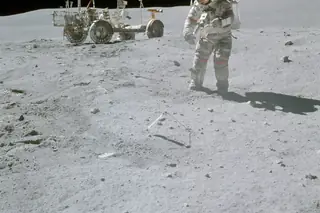 Gravity on each planetSurface gravity on every world, and what you would weigh.
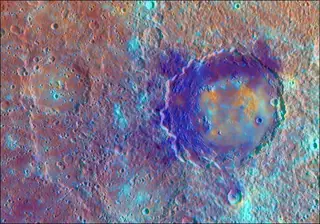 Temperature of each planetAverage temperature of every planet, from Mercury to Pluto.
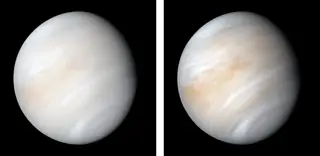 Which planet is the hottest?Why Venus is hotter than Mercury, and the numbers behind it.
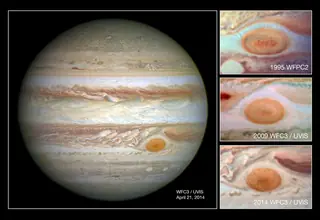 Planet sizes comparedEvery planet drawn to scale, with diameters next to Earth.
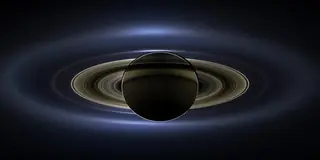 Distance of each planet from the SunDistance in miles, kilometers, AU and light time, plus the distance from Earth.
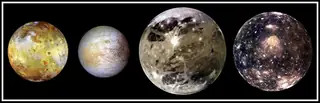 How many moons does each planet have?Moon counts for every planet, with the date the list was read.
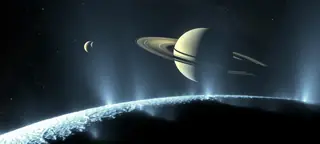 When were the moons discovered?Planetary moon discoveries from 1610 to now, by decade.
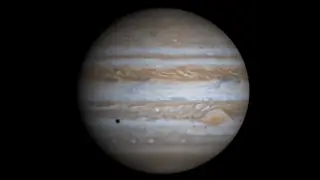 How many Earths fit in Jupiter and the Sun?Volume and mass of every planet and the Sun compared with Earth.
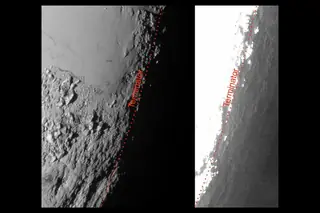 Why is Pluto not a planet?The 2006 decision, and what makes Pluto different from the eight planets.
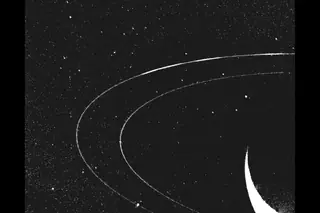 Which planets have rings?The four ring systems in the solar system, and what they are made of.
 Density of each planetWhich planet is densest, and why Saturn is lighter than water.
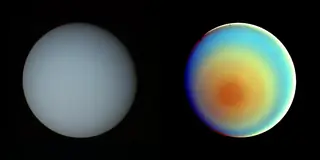 Planet tilt and seasonsAxial tilt of every planet, and how long a season lasts on each.
How we keep the numbers honest
The numbers come from the NASA Planetary Fact Sheet and from the Jet Propulsion Laboratory. Anything that's inferred, rather than measured, is labeled as such on the world pages, and moon counts carry the date they were read, because new moons keep turning up.
Questions people ask
How many planets are in the solar system?
Eight: Mercury, Venus, Earth, Mars, Jupiter, Saturn, Uranus and Neptune. Pluto is a dwarf planet.
Which planet has the most moons?
Saturn, with 293 in the JPL list read on October 19, 2026.
Which planet is the hottest?
Venus, with an average of 464 degrees Celsius, hotter than closer Mercury because of its thick atmosphere.
What's the biggest planet?
Jupiter, 11.2 times wider than Earth.