What the calendar covers
The sky calendar lists the events you can plan around: solar eclipses, lunar eclipses, planet oppositions and greatest elongations, and 11 meteor showers. As of October 19, 2026, the next solar eclipse is an annular eclipse on February 6, 2027 and the next lunar eclipse is a penumbral one on February 20, 2027.
Where the dates come from
Eclipse dates, times and paths are taken from the NASA eclipse catalogs by Fred Espenak and Jean Meeus, so they're published predictions and not our own calculations. Planet dates are calculated here and checked against JPL Horizons. Meteor shower peaks use the International Meteor Organization's working list, and we then work out how much of each night the radiant is above the horizon. The page on how often eclipses happen shows the counts behind the pattern.
Why a date isn't a promise
An eclipse path can cross an ocean and miss every town, and a meteor shower can peak under a full Moon. So each page says where an event is visible, not just when it happens. Good first reads are total solar eclipses, solar vs lunar eclipses and the Perseids. For the dark-sky side of planning, the Milky Way season guide ranks national park units by their best month for seeing the galaxy's core.
How bright is a shower?
Meteor shower ratings use the zenithal hourly rate, or ZHR, the number of meteors one observer would count under a clear, dark sky with the radiant overhead. The strongest shower on the list is the Geminids, with a ZHR of 150. Real counts are lower, because few of us observe under perfect skies, and each shower page gives the rate, the peak date and what the Moon is doing in the years ahead.
The next 12 months
- Orionids meteor shower peak
- Taurids meteor shower peak
- Leonids meteor shower peak
- Mercury at greatest elongation, morning sky
- Geminids meteor shower peak
- Ursids meteor shower peak
- Venus at greatest elongation, morning sky
- Quadrantids meteor shower peak
- Mercury at greatest elongation, evening sky
- Annular solar eclipse
- Jupiter at opposition
- Mars at opposition
- Penumbral lunar eclipse
- Mercury at greatest elongation, morning sky
- Lyrids meteor shower peak
- Eta Aquariids meteor shower peak
- Penumbral lunar eclipse
- Southern Delta Aquariids meteor shower peak
- Total solar eclipse
- Perseids meteor shower peak
- Penumbral lunar eclipse
- Draconids meteor shower peak
- Saturn at opposition
Dates are in UTC and are calculated or taken from NASA's catalogs as of October 19, 2026. A date can differ by a day depending on your time zone.
Eclipses
 Next solar eclipseDate, type, path and the next eight.
 Next lunar eclipsePhase times and who can see it.
 Total solar eclipsesEvery one through 2050.
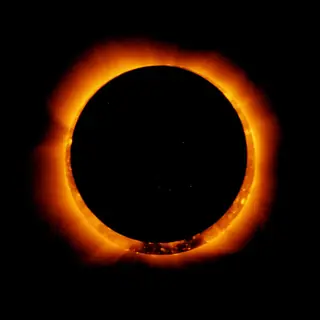 Annular solar eclipsesThe ring of fire, through 2050.
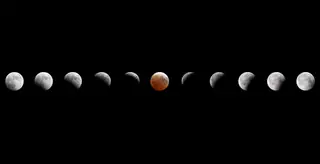 Total lunar eclipsesEvery blood moon through 2060.
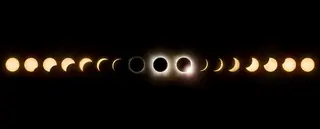 How often eclipses happenCounts per year and by type.
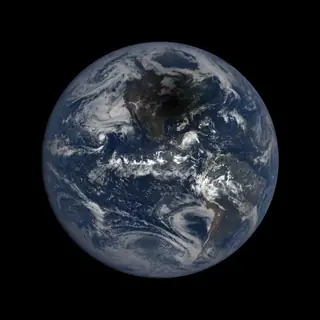 Solar vs lunar eclipseHow they differ.
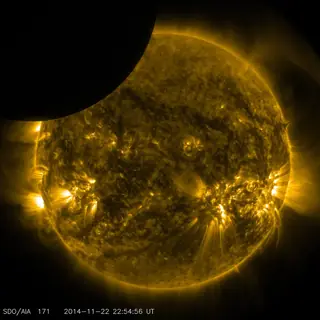 Eclipse seasonsWhy they come in pairs.
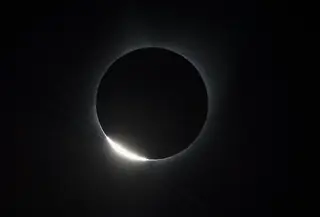 Longest solar eclipsesThe longest of the century.
Planets
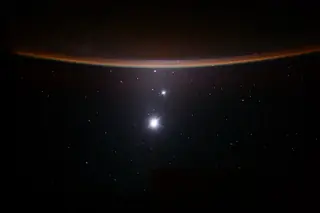 Planet oppositionsWhen each outer planet is closest.
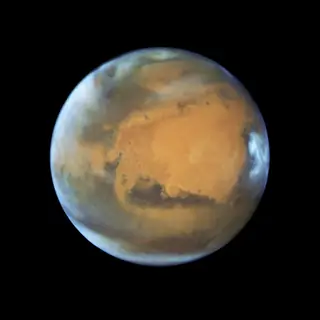 Mars oppositionDates and distances.
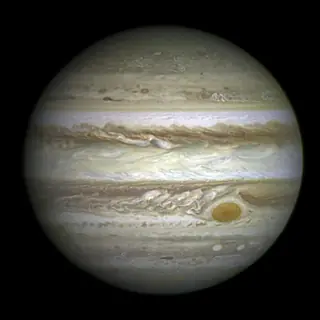 Jupiter oppositionDates and distances.
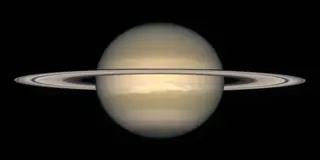 Saturn oppositionDates and ring tilt.
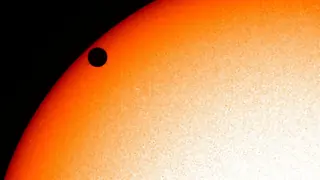 Venus elongationEvening and morning dates.
 Mercury elongationThe best Mercury evenings.
Meteor showers
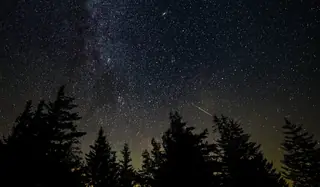 Meteor shower calendarEvery peak with the Moon.
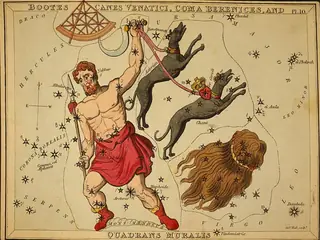 QuadrantidsActive 28 December to 12 January.
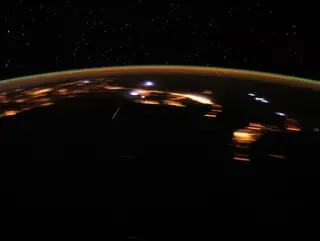 LyridsActive 14 to 30 April.
 Eta AquariidsActive 19 April to 28 May.
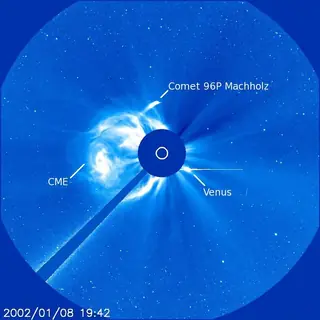 Southern Delta AquariidsActive 12 July to 23 August.
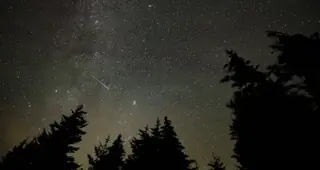 PerseidsActive 17 July to 24 August.
 DraconidsActive 6 to 10 October.
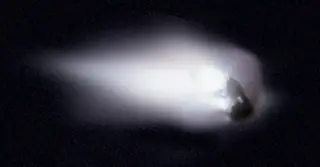 OrionidsActive 2 October to 7 November.
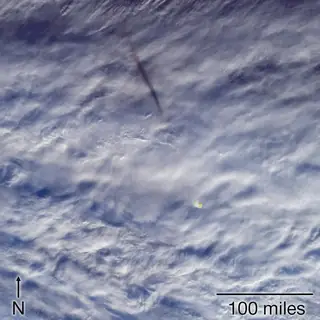 TauridsActive 20 September to 20 November (southern branch), 20 October to 10 December (northern branch).
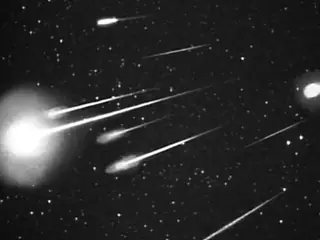 LeonidsActive 6 to 30 November.
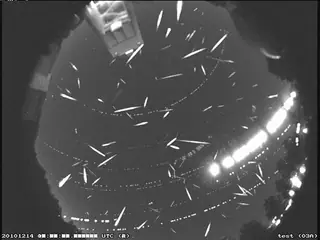 GeminidsActive 4 to 20 December.
 UrsidsActive 17 to 26 December.
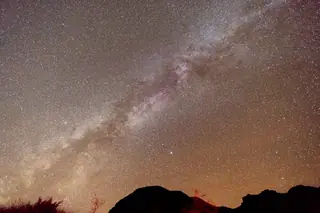
The Milky Way
Questions people ask
What's in the sky this month?
The next event in this calendar is the Orionids meteor shower peak on October 21, 2026.
When is the next eclipse?
The next solar eclipse is on February 6, 2027 and the next lunar eclipse on February 20, 2027.
When is the next meteor shower?
The Orionids peak on October 21, 2026.
How are the dates calculated?
Eclipses come from NASA's catalogs. Planet and meteor shower dates are calculated and checked against JPL Horizons and the International Meteor Organization.