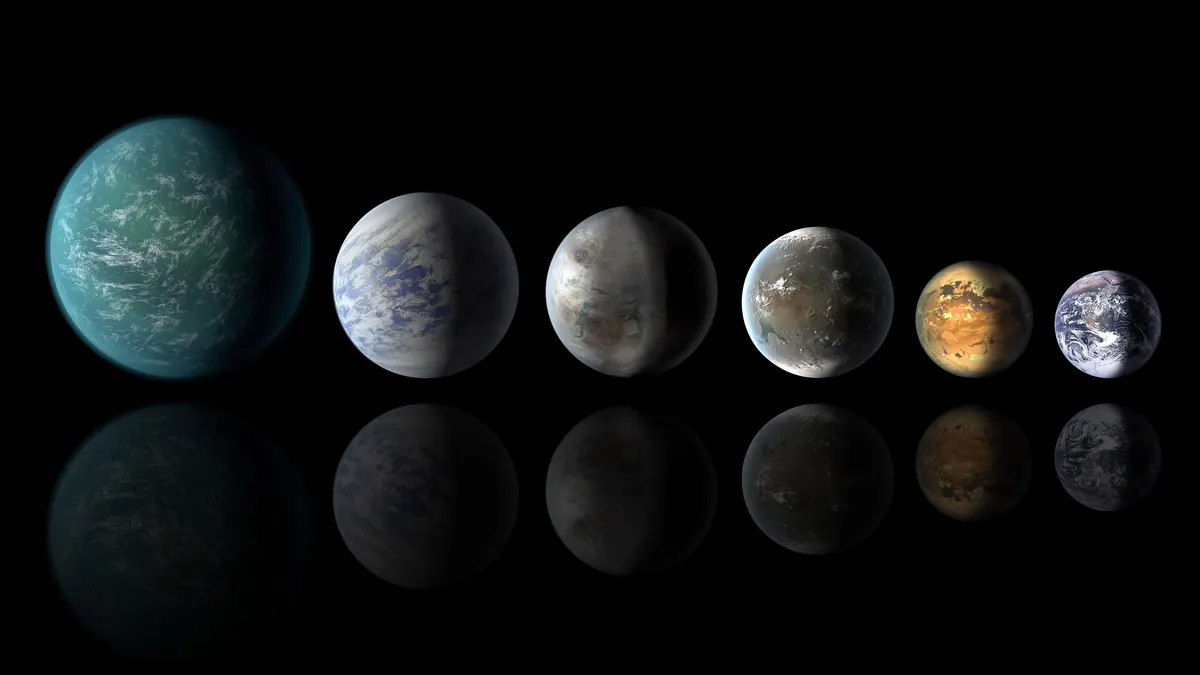
Where the count comes from
The exoplanet pages use one source, the NASA Exoplanet Archive, as of October 15, 2026. It lists 6,451 confirmed planets in 4,847 star systems. A planet counts as confirmed when it has been published in a peer-reviewed paper and passes the archive's checks, so the number rises as papers appear and never because of a press release alone. How many exoplanets are there? explains the rules in full.
Two methods do most of the work
4,785 of the 6,451 were found by the transit method, which watches a star for the small dip as a planet crosses it, and 1,204 by radial velocity, which measures the wobble a planet gives its star. The first confirmed planets, announced in 1992, orbit a pulsar, not a normal star. 2016 was the busiest year, with 1,504 planets added. How exoplanets are discovered and exoplanets discovered per year show the methods and the pace.
What you can and can't learn
A planet's size and orbit are often well measured. Its air, weather and surface usually aren't. That's why the pages stick to numbers the archive holds, such as sizes, distances, and multi-planet systems. 1,069 systems have more than one confirmed planet. For a first stop, try Earth-sized planets in the habitable zone, where the careful wording matters most, or the most extreme exoplanets.
Planets with an asterisk
58 of the 6,451 planets in the archive carry a controversial flag, meaning their status is disputed in the literature. The count here is the archive count, and the habitable-zone comparisons leave those planets out. The count is also a floor, not a census: it measures what current telescopes can detect, which favors big planets close to their stars.
Counting planets we can't see
Almost every exoplanet is found without a picture. Astronomers watch a star for the small dip in light when a planet crosses it, for the wobble a planet's gravity gives the star, or for other faint signs. Only 98 of the 6,451 have been imaged directly.
The first confirmed exoplanets date from 1992. In 2025 alone the archive recorded 246 new ones.
The count is of planets that have been published and checked, not of planets that exist. A planet joins it only when its discovery paper passes the archive's rules, so thousands more candidates are waiting.
Start with a question
 How many exoplanets are there?6,451 confirmed, and what counts.
 The nearest exoplanetsWhich planets are closest to us.
 How exoplanets are discoveredThe methods, and what each one misses.
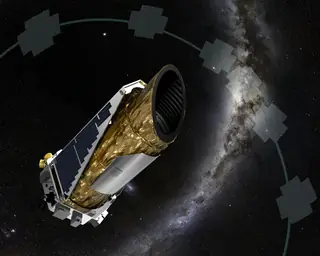 Exoplanets discovered per yearThe count, year by year.
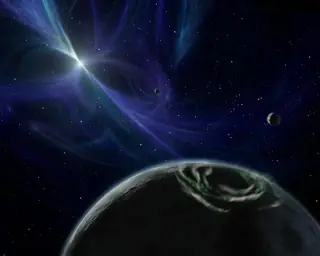 The first exoplanetsThe pulsar planets and 51 Pegasi b.
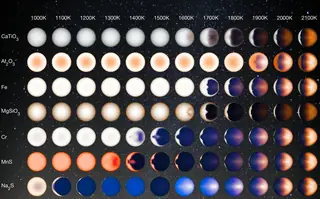 Exoplanet sizesSuper-Earths, mini-Neptunes and hot Jupiters.
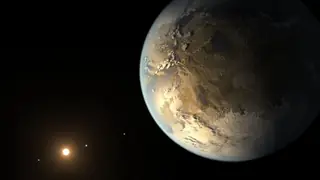 Earth-sized planets in the habitable zoneHow many, and how sure we are.
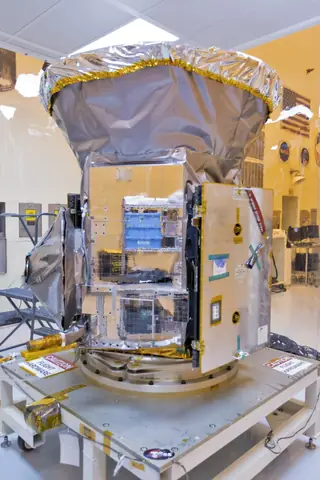 Kepler and TESSThe two telescopes that found most of them.
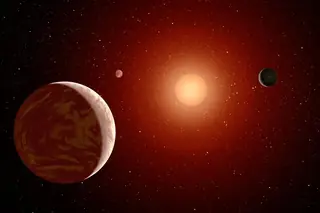 Exoplanets by star typeWhich kinds of star have planets we know of.
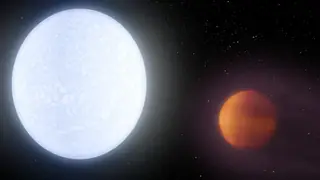 The most extreme exoplanetsHottest, tightest, farthest and smallest.
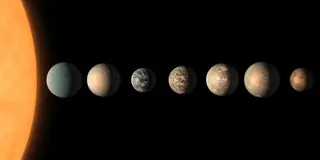 Multi-planet systemsTRAPPIST-1 and the biggest known families.
Questions people ask
How many exoplanets are there?
The NASA Exoplanet Archive lists 6,451 confirmed planets around other stars as of October 15, 2026. The number rises as new discoveries are published and checked.
What counts as a confirmed exoplanet?
The archive requires that the object has a mass, or minimum mass, of 30 Jupiter masses or less, orbits a host star, has been checked well enough that a false positive is unlikely, and appears in peer-reviewed work.
Which method has found the most exoplanets?
The transit method, which watches for the small dip in a star's light as a planet crosses it. It accounts for 4,785 of the 6,451 planets, or 74%.
Have we photographed exoplanets?
A few. Only 98 of the 6,451 confirmed planets were found by direct imaging. Nearly all the rest are known from what they do to their star's light or motion.