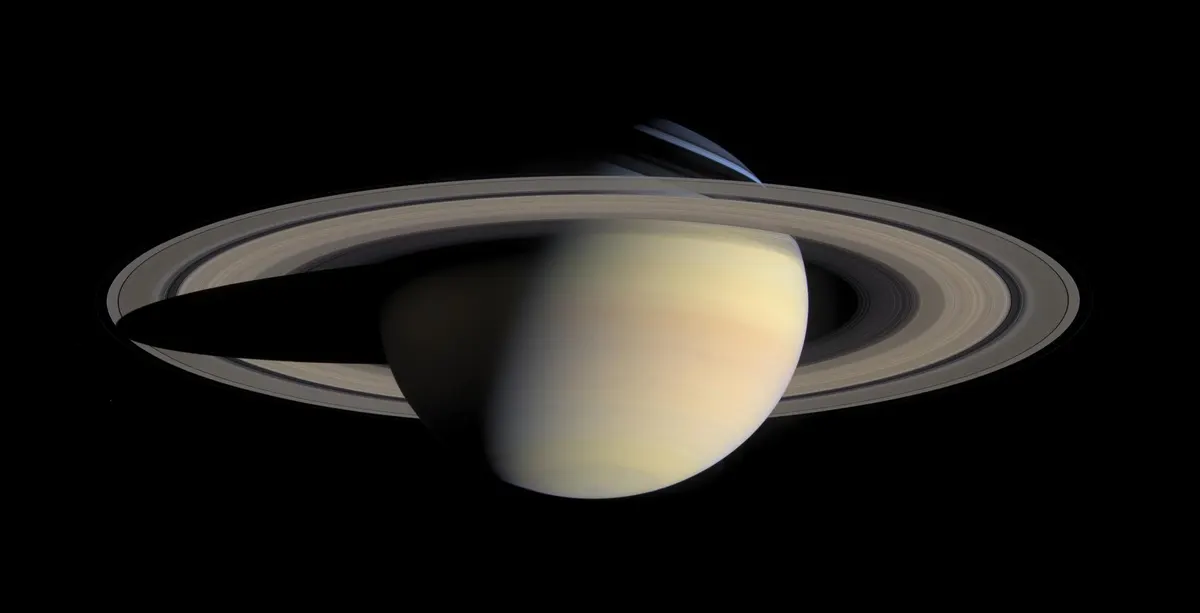
Distance in space is easy to quote and hard to feel. The Moon is about 238,855 miles away and the Sun about 92,957,130 miles. A car at 65 mph would need 153 days to reach the first and 160 years to reach the second. These pages turn the distances into travel times you can picture.
Each page uses three comparison speeds, a car at 65 mph, a passenger jet at 570 mph and a spacecraft, and shows what the same trip would cost in time. You can also enter your own speed.
Distance isn't the same as time
The table on each page gives the time at the closest distance, the typical distance and the farthest. Those numbers aren't what real spacecraft experience. Real trips don't travel in straight lines. They follow curved paths timed to launch windows, use the gravity of other planets for speed and spend fuel slowing down on arrival.
NASA's Perseverance needed 203 days to reach Mars, and Parker Solar Probe needed 6.4 years to reach its record closest approach to the Sun, figures no speed table can give you.
What the speeds mean
The car and jet figures are round numbers chosen for comparison. A jet flying non-stop to the Sun would need 18.3 years, and light, the fastest thing there is, needs 3 hours 58 minutes to reach Pluto at its closest. The point is scale, not precision.
Where to go next
The real trips are in the missions pages, which count every Moon and Mars launch, and the probes pages, which tell the story of Voyager, Cassini and New Horizons. To see where the planets sit, read the solar system pages. For stars outside the solar system, the nearest exoplanets shows what's known nearby.
The eight destinations
The Moon and Mars come first, with the Moon and Mars pages. Then the nearest planet, Venus, and the two giants, Jupiter and Saturn. The last three are the farthest: Pluto, the Sun and the nearest star. Each page tells a different story, because each destination demanded a different kind of trip.
| Destination | Miles | By car at 65 mph | By jet at 570 mph | Light |
|---|---|---|---|---|
| The Moon | 225,744 | 145 days | 17 days | 1.2 seconds |
| Mars | 33,926,867 | 59.5 years | 6.8 years | 3 minutes 2 seconds |
| The Sun | 91,403,702 | 160 years | 18.3 years | 8 minutes 11 seconds |
| Venus | 23,736,380 | 41.7 years | 4.8 years | 2 minutes 7 seconds |
| Jupiter | 365,676,946 | 642 years | 73.2 years | 32 minutes 43 seconds |
| Saturn | 749,062,972 | 1,315 years | 150 years | 1 hour 7 minutes |
| Pluto | 2,662,389,146 | 4,673 years | 533 years | 3 hours 58 minutes |
| The nearest star | 24,963,582,637,689 | 43,811,900 years | 4,996,094 years | 4.2 years |
 The Moon225,744 miles at the closest.
 Mars33,926,867 miles at the closest.
 The Sun91,403,702 miles at the closest.
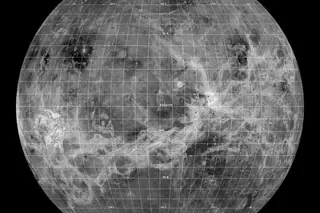 Venus23,736,380 miles at the closest.
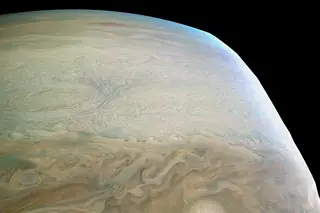 Jupiter365,676,946 miles at the closest.
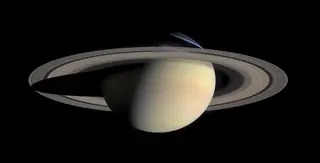 Saturn749,062,972 miles at the closest.
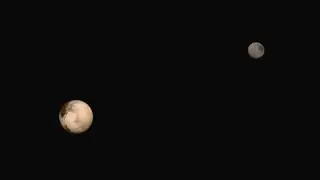 Pluto2,662,389,146 miles at the closest.
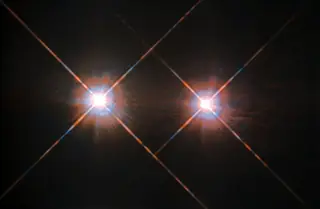 The nearest star24,963,582,637,689 miles at the closest.